The Purpose and Engineering Principles of Ionizer Fans in Modern Air Quality Management
Industry Background and Market Demand
The global emphasis on indoor air quality (IAQ) has surged in recent years, driven by health concerns, workplace safety regulations, and energy efficiency standards. According to the EPA, indoor air can be 2–5 times more polluted than outdoor air, making air purification technologies essential in commercial, industrial, and residential settings. Among these technologies, ionizer fans have gained traction due to their ability to neutralize airborne contaminants without relying solely on mechanical filtration.
Unlike traditional HEPA filters, which trap particles, ionizer fans release negatively charged ions that attach to airborne pollutants, causing them to cluster and fall out of circulation. This method reduces particulate matter (PM2.5 and PM10), allergens, and even certain volatile organic compounds (VOCs). The demand for such systems is particularly strong in healthcare, manufacturing cleanrooms, and office environments where air purity directly impacts productivity and compliance.
Core Technology: How Ionizer Fans Work
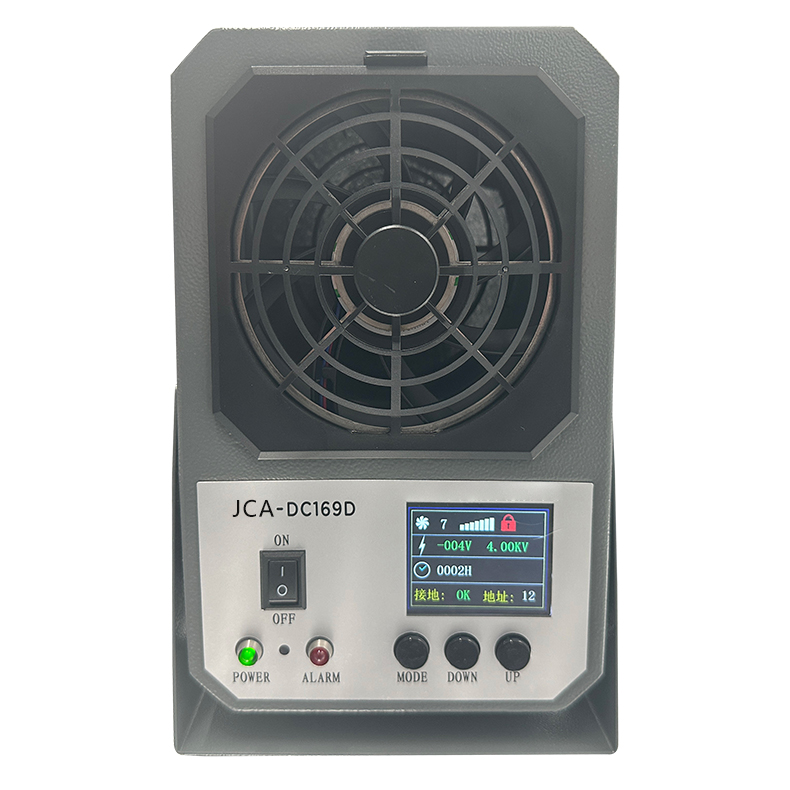
Ionizer fans operate on electrostatic precipitation principles. A high-voltage electrode generates negative ions, which disperse into the air and bond with positively charged particles like dust, mold spores, and bacteria. These agglomerated particles become heavier, settling on surfaces or being captured by an optional collector plate. Some advanced models integrate photocatalytic oxidation (PCO) to break down VOCs at a molecular level.
Key components include:
- Ionizing Needles/Wires: Typically made of tungsten or stainless steel for durability.
- High-Voltage Power Supply: Converts standard AC to DC (usually 5–12 kV).
- Fan Assembly: Ensures even ion distribution; brushless DC motors are common for efficiency.
- Optional Filtration Stages: Some units combine ionization with activated carbon or HEPA filters.
Design and Manufacturing Considerations
The performance of an ionizer fan depends on several engineering factors:
1. Material Selection:
- Electrodes must resist oxidation and corrosion.
- Housing materials (e.g., ABS or aluminum) should minimize ozone byproduct formation.
2. Airflow Dynamics:
- Computational fluid dynamics (CFD) optimizes fan blade design to maximize ion dispersion without turbulence.
3. Ozone Control:
- Strict compliance with FDA/EPA ozone limits (<0.05 ppm) is critical. Some manufacturers use pulsed ionization to reduce ozone generation.
4. Energy Efficiency:
- Low-power designs (<30W) are preferred for continuous operation in commercial settings.
Critical Performance Factors
Several variables determine an ionizer fan’s effectiveness:
- Ion Output Rate: Measured in ions/cm³; higher densities improve purification speed but may increase ozone risk.
- Particle Size Range: Most systems target 0.1–10 µm particles.
- Maintenance Requirements: Collector plates need periodic cleaning to prevent efficiency loss.
Supplier and Supply Chain Criteria
For B2B procurement, key evaluation metrics include:
- Certifications: CE, UL, or ISO 14644 (for cleanroom applications).
- Scalability: Modular designs for large-scale HVAC integration.
- OEM/ODM Capabilities: Customization for specific airflow rates or form factors.
Leading suppliers often source components from specialized manufacturers—e.g., high-voltage modules from German or Japanese firms—to ensure reliability.
Common Challenges and Industry Pain Points
1. Ozone Emissions: Poorly designed ionizers may exceed safety thresholds.
2. Particle Resuspension: Settled dust can re-enter the air if not removed.
3. Consumer Misconceptions: Some users expect ionizers to replace mechanical filtration entirely.
Applications and Case Studies
- Healthcare: Hospitals use ionizer fans in operating rooms to reduce airborne pathogens.
- Electronics Manufacturing: Prevents static buildup and dust contamination in PCB assembly.
- Retail: Integrated into HVAC systems to mitigate odors in shopping centers.
Future Trends and Innovations
1. Smart Integration: IoT-enabled ionizers with real-time air quality monitoring.
2. Hybrid Systems: Combining ionization with UV-C or cold plasma for broader pathogen control.
3. Sustainability: Recyclable materials and energy recovery systems.
FAQ
Q: Do ionizer fans eliminate the need for HEPA filters?
A: No. While effective for particulate reduction, HEPA filters capture larger particles more reliably. A hybrid approach is often optimal.
Q: How often should ionizer electrodes be replaced?
A: Typically every 2–3 years, depending on usage and environmental conditions.
Q: Are ionizer fans safe for asthma sufferers?
A: Generally yes, but ozone-sensitive individuals should verify models meet FDA/EPA standards.
By addressing these technical and market-driven aspects, ionizer fans are poised to remain a critical tool in air quality management, balancing performance, safety, and sustainability.


 English
 Español
 Portugues
 Français
 Deutsch
 日本語
日本語 한국어
한국어 العربية
 Italiano
 Nederlands
 Polski
 ไทย
ไทย Türk dili
 हिन्दी
 Indonesia
 Melayu
 Tiếng Việt
 বাংলা
বাংলা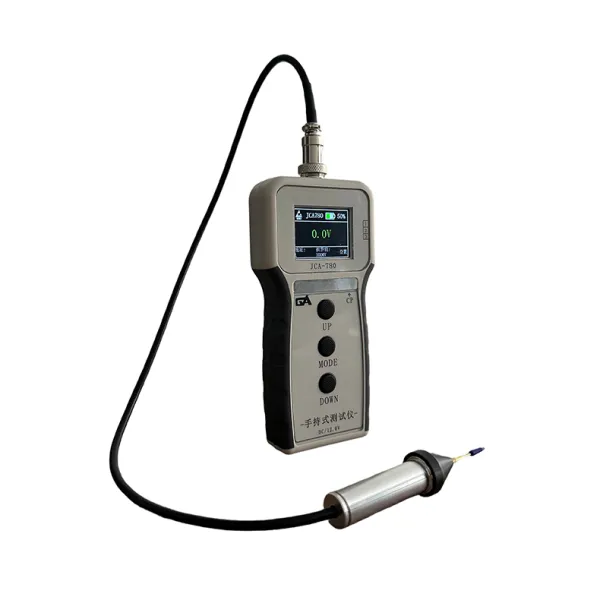 Портативный компактный тестер изолированных проводников — точный измеритель статического напряжения с сенсорным экраном
 Сенсорный портативный тестер электростатического разряда — точный прибор для обнаружения статического электричества
 Anti-Static High-Frequency Smart Soldering Station - Industrial-Grade Lead-Free Soldering Iron for Electronic Repair
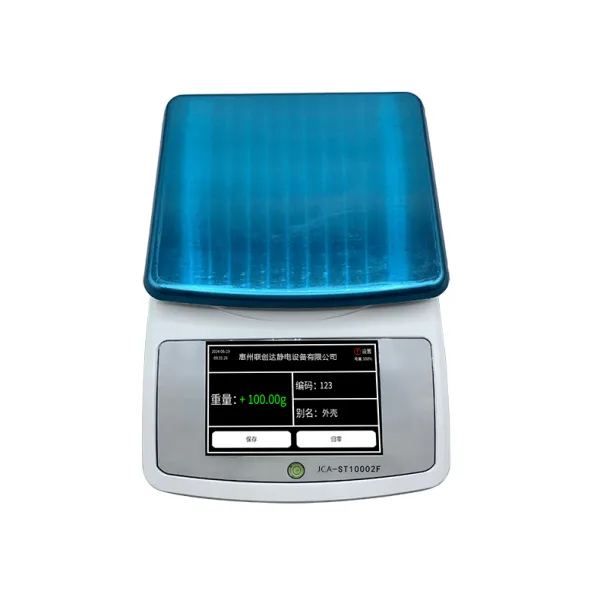 Lightweight Precision Industrial Scale - Portable High-Precision Weighing, QR Code Data Recording
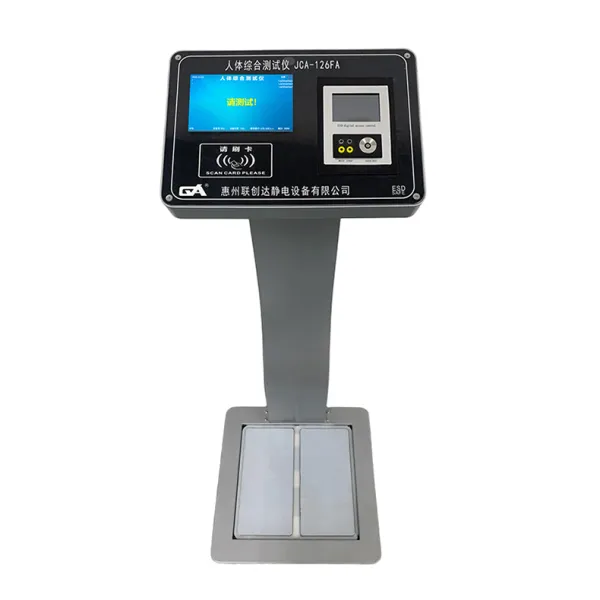 Комплексный тестер человеческого тела Pro ESD — антистатические ворота доступа с биометрическими данными и распознаванием карт
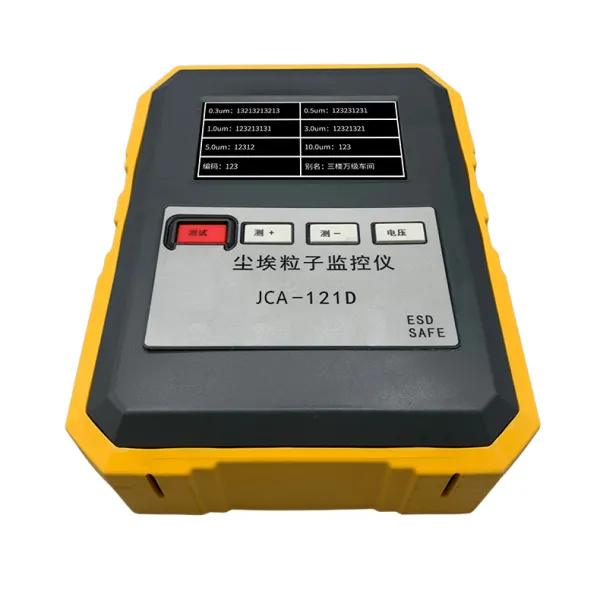 Портативный счетчик частиц Lianchuangda — тестер чистоты воздуха для чистых помещений
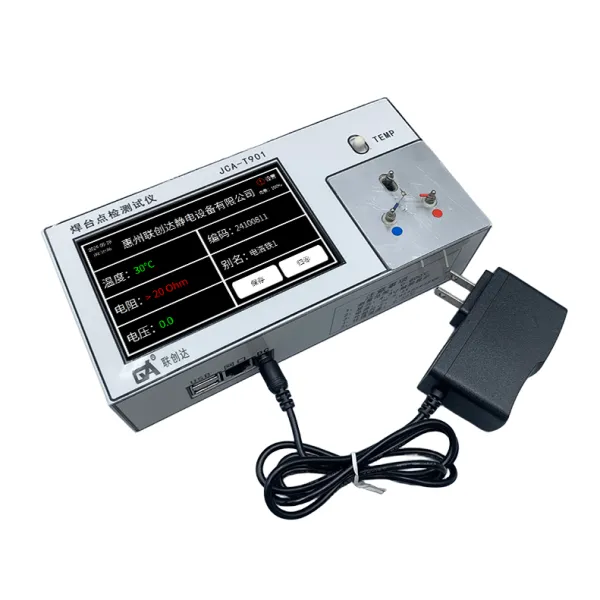 Lianchuangda Тестер давления окружающей среды Беспроводной цифровой дисплей и мониторинг заземления
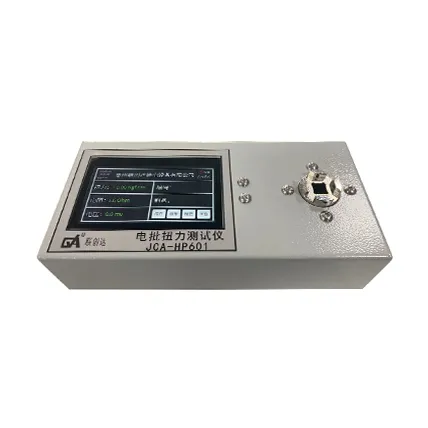 Цифровой тестер крутящего момента электрической отвертки — точное измерение, интеллектуальное хранение данных
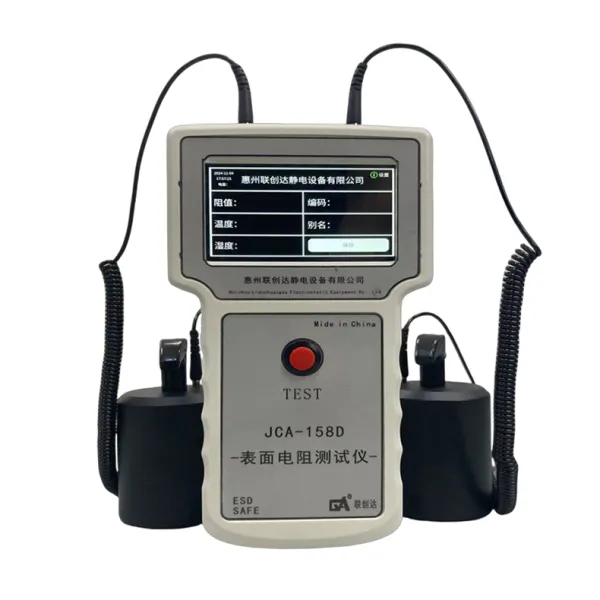 Portable Hammer Surface Resistance Tester - Smart Industrial Megohmmeter with Data Networking
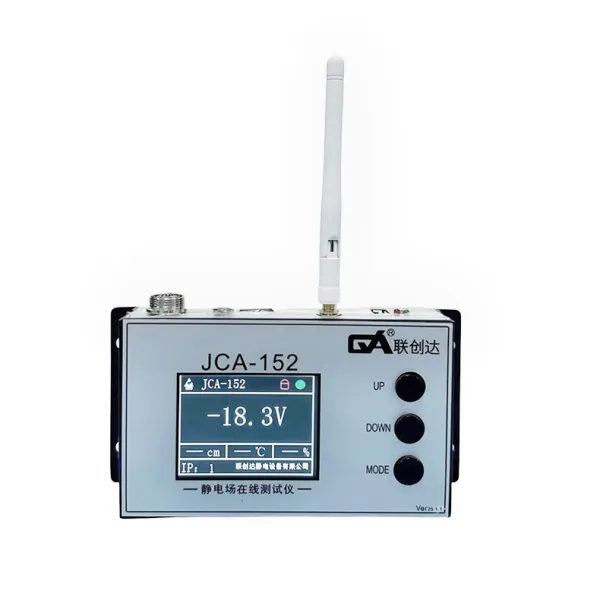 Беспроводной полевой тестер ESD — мониторинг напряжения в реальном времени, простая установка и визуальное управление
 Беспроводной ионный вентилятор с цветным экраном, статический тестер с измерением напряжения и передачей данных
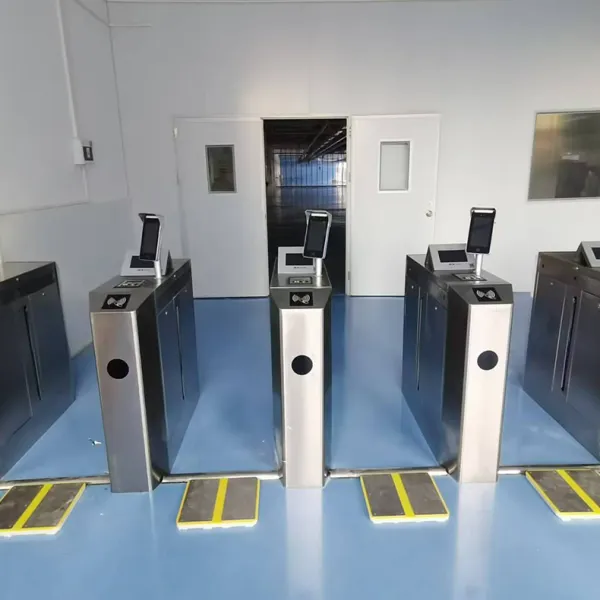 Турникет ДЖКА-С106 контроля доступа теста Лианчуангда противостатический поддерживает базу данных MySQL
 Подвесной ионный вентилятор постоянного тока с 3 головками — интеллектуальный тихий антистатический фильтр, настраиваемый
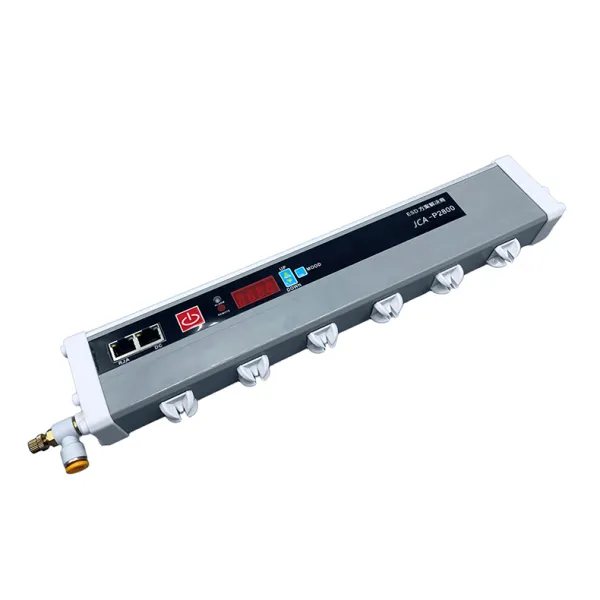 Ионно-воздушный стержень импульсного типа ESD — специальное средство для устранения статического заряда промышленного назначения для удаления электростатического разряда
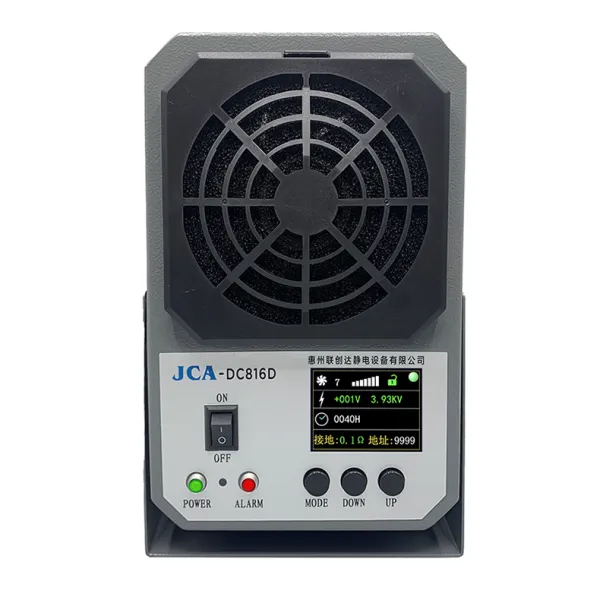 Lianchuangda Smart DC Ion Fan - Industrial-Grade Static Elimination for Factory Workshops
 Desktop DC Single-Head Ion Fan - Professional Static Eliminator with Wireless Network Connectivity
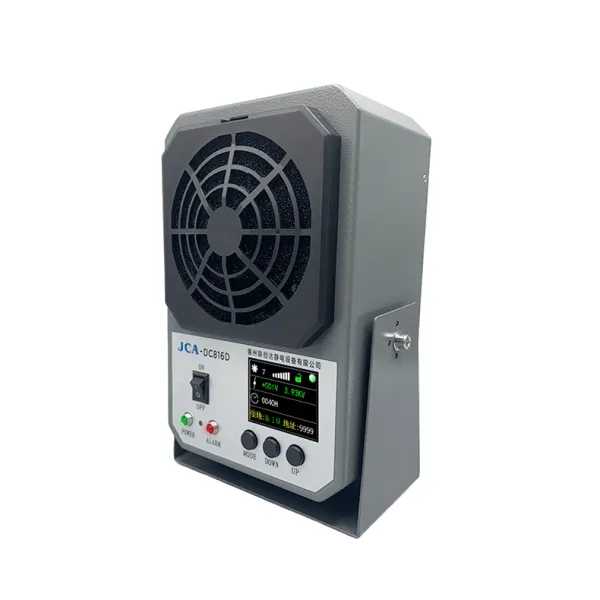 Мастерская производителя интеллектуальных ионных вентиляторов постоянного тока Электронное антистатическое оборудование промышленного класса для устранения статического заряда
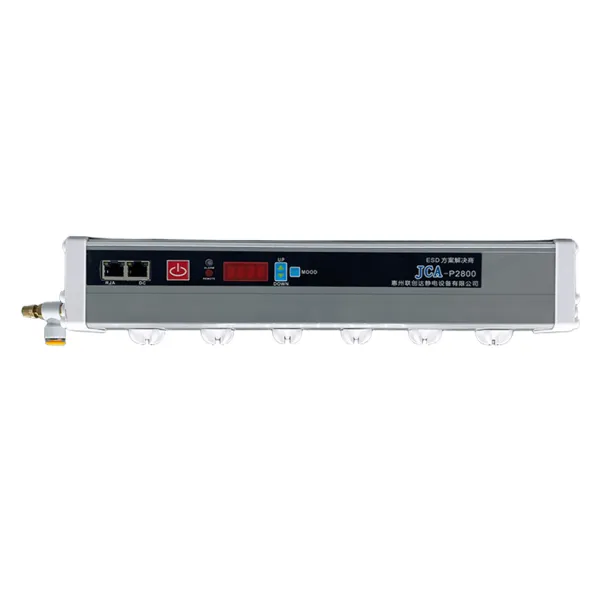 Промышленный антистатический антистатический антистатический ионно-воздушный стержень импульсного типа для устранения статического заряда
 2,2-дюймовый цветной экран, ионный вентилятор с тремя выходами воздуха, статическая защита, устраняющая статическое электричество.
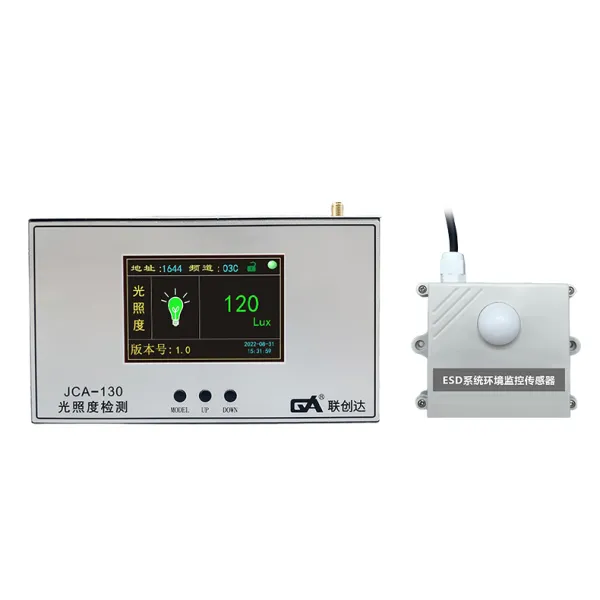 3,5-дюймовый цветной ЖК-дисплей, беспроводной цифровой люксметр — высокоточный детектор окружающей среды с возможностью подключения к сети
 Smart Wireless Noise Detection Alarm System - Digital Tester for Environmental Monitoring with Networking
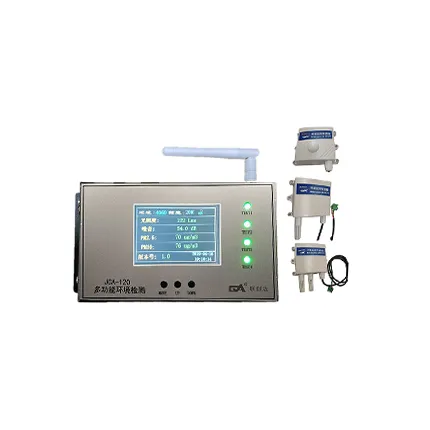 3,5-дюймовый цветной ЖК-дисплей, беспроводной многофункциональный детектор окружающей среды - тестер частиц пыли с подключением Wi-Fi
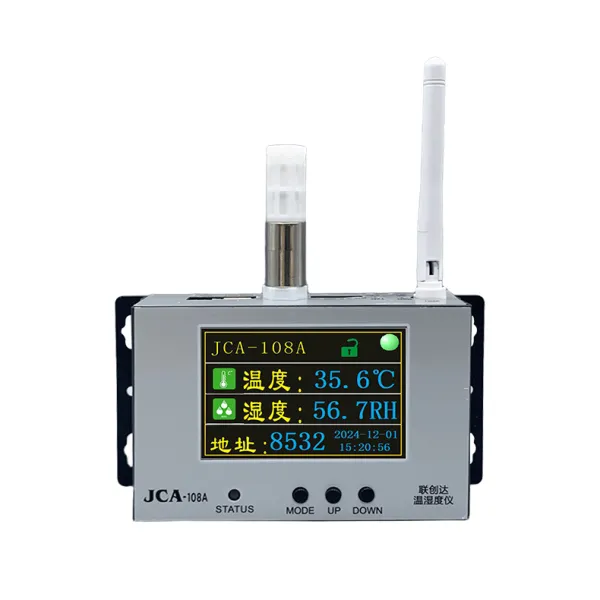 Беспроводной монитор температуры и влажности — интеллектуальный регистратор с удаленным запросом и передачей данных
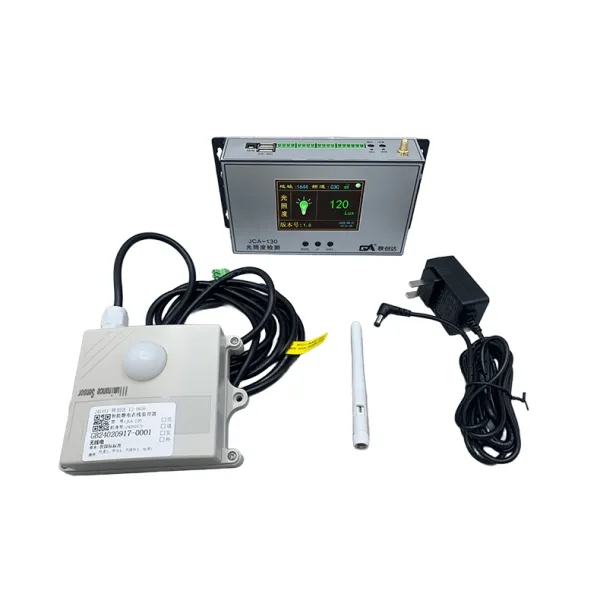 Lianchuangda беспроводной цифровой тестер освещенности дисплея - 3,5-дюймовый цветной ЖК-экран с динамическим дисплеем, высокоточный тестер окружающей среды





 WhatsApp
 телефон
Комментарий
(0)